Eye Specialist in Lahore
Written and reviewed by Assoc. Prof. Dr. Kashif Jahangir (MBBS, MCPS, FCPS, CHPE) — Ophthalmology Specialist | dedicated to providing comprehensive ophthalmology and eye care excellence in Lahore.
Assoc. Prof. Dr. Kashif Jahangir has been practicing ophthalmology for over 15 years. He serves as Associate Professor of Ophthalmology at Jinnah Hospital, Lahore, and holds faculty positions at Sir Syed College Wah Cantt and Quaid-e-Azam Medical College. He also sees patients privately at Khalid Eye & Medical Care in Johar Town.
Patients come with a wide range of eye problems — a child who cannot read the school board, a diabetic patient overdue for a retina check, someone with a cataract that has been getting worse for two years, or a person who has worn glasses since childhood and wants a permanent option.
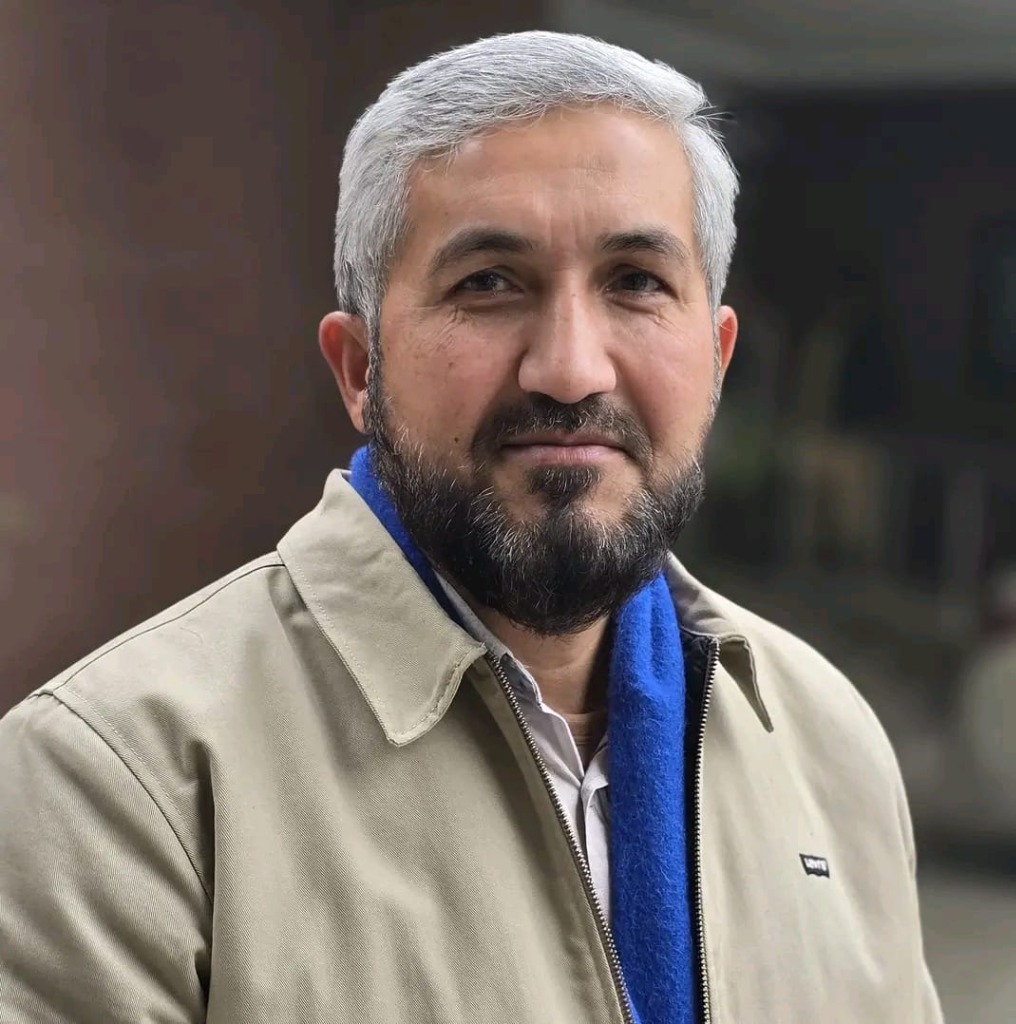
Dr. Kashif Jahangir
Specialized Eye Care Services
Advanced ophthalmic surgery and comprehensive diagnostics by Dr. Kashif Jahangir




What is an Ophthalmologist?
An ophthalmologist is a medical doctor trained after MBBS in diagnosing, treating, and surgically managing eye conditions. Unlike optometrists (who primarily perform refraction and vision tests) and opticians (who fit glasses and optical devices), an ophthalmologist is fully qualified to perform complex laser procedures, micro-surgeries, and comprehensive clinical disease management.
What is Ophthalmology?
Ophthalmology is the branch of medicine and surgery dealing with the anatomy, functions, and diseases of the eye. It encompasses both non-surgical medical therapies and micro-surgical interventions for vision correction, cataract removal, glaucoma control, retinal disorders, squint realignment, and pediatric ocular health.
Importance of Specialized Ophthalmology Care
Most eye diseases are silent in their early stages. Glaucoma can cause significant optic nerve damage before a patient notices any change in vision. Diabetic retinopathy can develop over years without symptoms. A cataract grows gradually enough that patients often adapt without realising how much clarity they have lost.
Eye Conditions and Symptoms
Conditions we treat:
- Refractive errors — short-sightedness, long-sightedness, astigmatism
- Cataract — clouding of the natural lens
- Glaucoma — optic nerve damage from raised intraocular pressure
- Diabetic retinopathy — retinal changes caused by diabetes
- Squint (strabismus) — misaligned eyes, most common in children
- Dry eye syndrome — chronic irritation from poor tear film
- Corneal conditions — keratoconus, infections, injuries
- Retinal detachment and vitreo-retinal conditions
- Paediatric eye problems — amblyopia, refractive errors in children
- Ptosis — drooping of the upper eyelid
- Artificial eye rehabilitation after eye removal surgery
Symptoms to watch for:
- Blurred or worsening vision — gradual or sudden
- Eye pain, redness, or persistent discharge
- Floaters — dark spots drifting across the visual field
- Flashes of light in one or both eyes
- Difficulty seeing at night or in low light
- Glare and halos around lights
- A child whose eyes appear turned, or who squints while reading
- Drooping of one or both eyelids
- Eye irritation not resolving with drops
- Any eye injury — should be examined the same day
Types of Eye Specialists:
Within ophthalmology, doctors often develop sub-specialty expertise. The main types seen in Lahore include:
- General ophthalmologist — covers the full range of eye conditions, medical and surgical
- Retina specialist (vitreo-retinal surgeon) — manages diabetic retinopathy, retinal detachment, macular conditions
- Glaucoma specialist — focuses on intraocular pressure management and optic nerve disease
- Corneal specialist — treats keratoconus, infections, performs corneal transplants
- Paediatric ophthalmologist — diagnoses and treats eye conditions in children, including squint and amblyopia
- Oculoplastic surgeon — performs eyelid, orbit, and lacrimal surgery including ptosis repair
- Neuro-ophthalmologist — manages vision problems linked to the brain and nervous system
Eye Specialist Related Diseases
- Cataract
- Glaucoma
- Ptosis
- Keratoconus
- Conjunctivitis
- Chalazion & Stye
- Dry Eye Syndrome
- Amblyopia (Lazy Eye)
- Diplopia (Double Vision)
- Squint (Strabismus)
- Diabetic Retinopathy
- Retinal Detachment
When to See an Eye Specialist?
Routine eye examinations are generally recommended every one to two years for adults, and more frequently for those with diabetes, a family history of glaucoma, or existing eye conditions. Speak to your doctor about the interval appropriate for your situation.
Outside of routine checks, see a specialist promptly for any of the following:
- Sudden loss of vision in one or both eyes — same day
- Eye injury, chemical exposure, or foreign body — same day
- Sudden increase in floaters or a curtain across the vision — same day
- A child with a squint, or difficulty reading — within weeks
- Gradually worsening vision, increasing difficulty with night driving or glare
- Persistent irritation or redness not responding to over-the-counter drops
Why Choose an Eye Specialist Near Me?
Follow-up is a core part of eye care. Post-operative patients are typically reviewed at set intervals over several weeks to months. Patients with ongoing conditions such as glaucoma or diabetic retinopathy require regular monitoring — sometimes every few months. Choosing a specialist within practical distance makes that follow-up sustainable.
At Khalid Eye & Medical Care, every patient is reviewed by Dr. Kashif Jahangir from first consultation through treatment and follow-up. Surgical procedures are recommended only when clinically indicated, and written cost estimates are provided before any commitment is made.
When looking for an eye specialist, focus on verifiable credentials rather than marketing language:
- MBBS as minimum qualification — FCPS Ophthalmology or equivalent for surgical cases
- Registration with Pakistan's medical regulatory authority — check before any surgical procedure
- Hospital or academic affiliation — indicates ongoing peer engagement
- Diagnostic equipment at the clinic — a full examination requires more than a basic vision chart
- Patient reviews — look for comments about explanation, time taken, and follow-up
- Cost transparency — a clinic that provides written estimates before surgery is easier to trust
Lahore has several hospitals with established ophthalmology departments — including Jinnah Hospital, Hameed Latif Hospital, Services Hospital, and Mayo Hospital. When choosing between a hospital outpatient clinic and a specialist private clinic, consider the condition being treated, the diagnostic equipment available, and whether continuity of care with one doctor matters to you.
Clinical Case Studies
Visual comparisons demonstrating clinical assessment and post-treatment outcomes.
Squint (Strabismus) Realignment
Paediatric Ophthalmology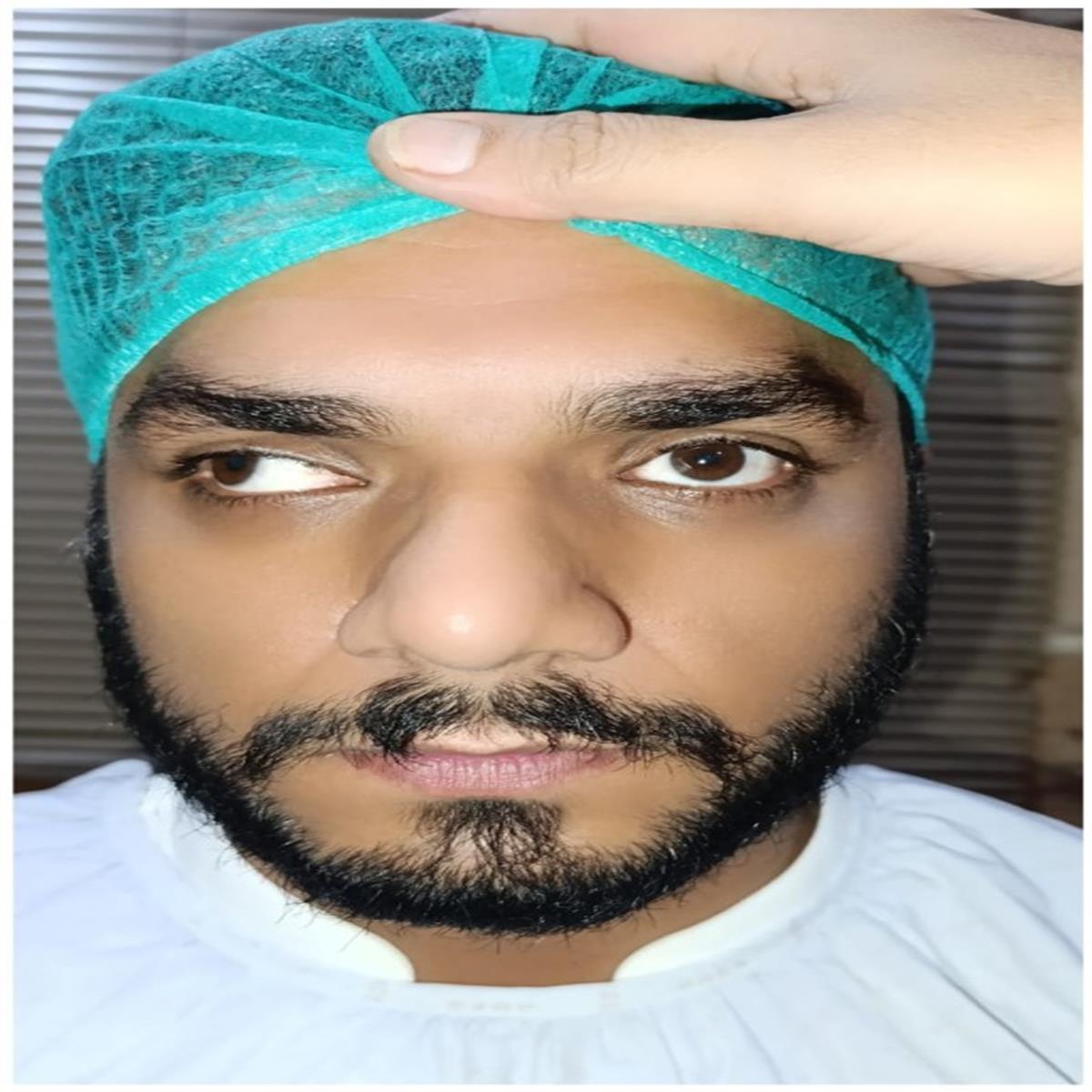 Before
 Pre-operative: Inward deviation (esotropia)
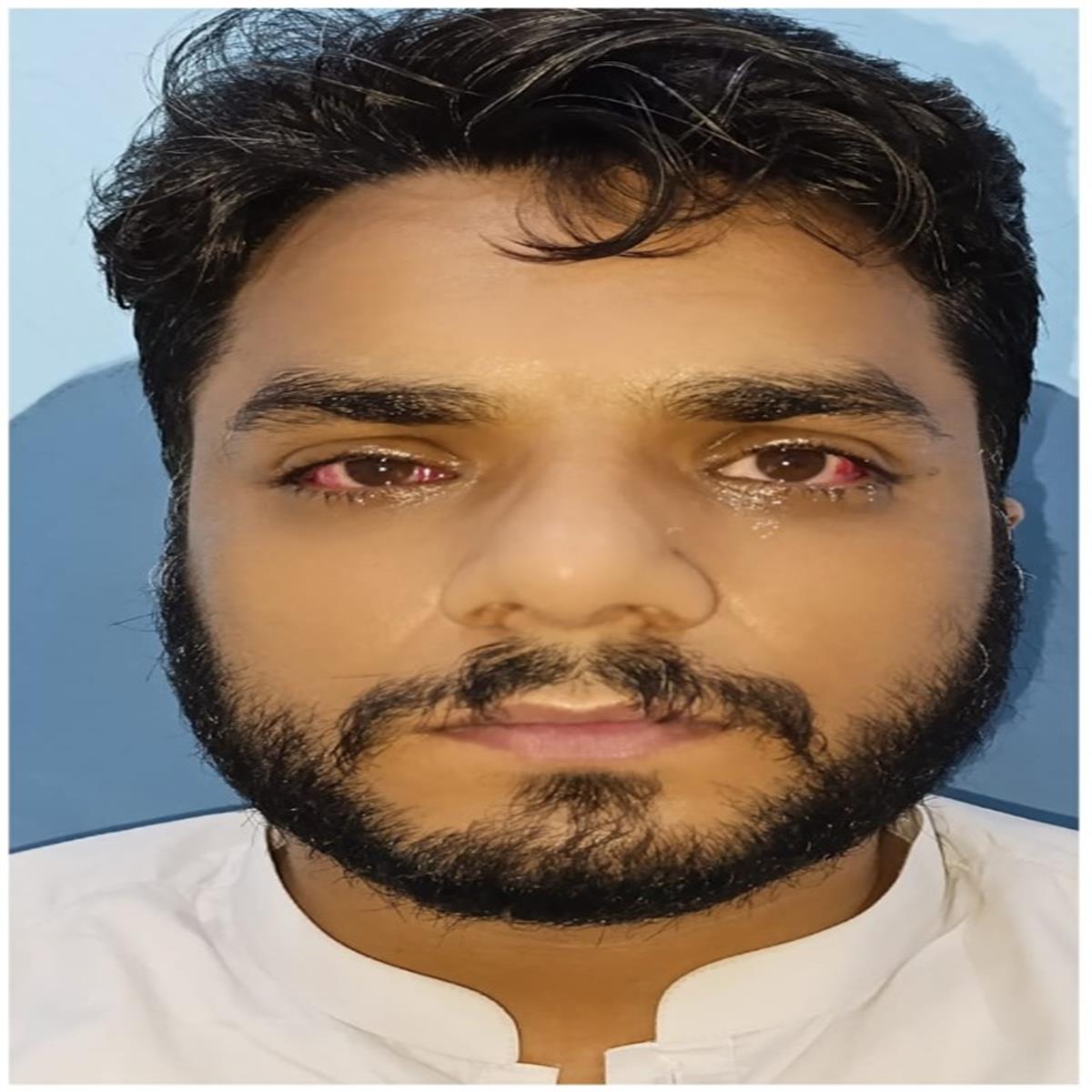 After
After Post-operative: Orthophoric ocular alignment
Ptosis (Eyelid Drooping) Correction
Oculoplastic Surgery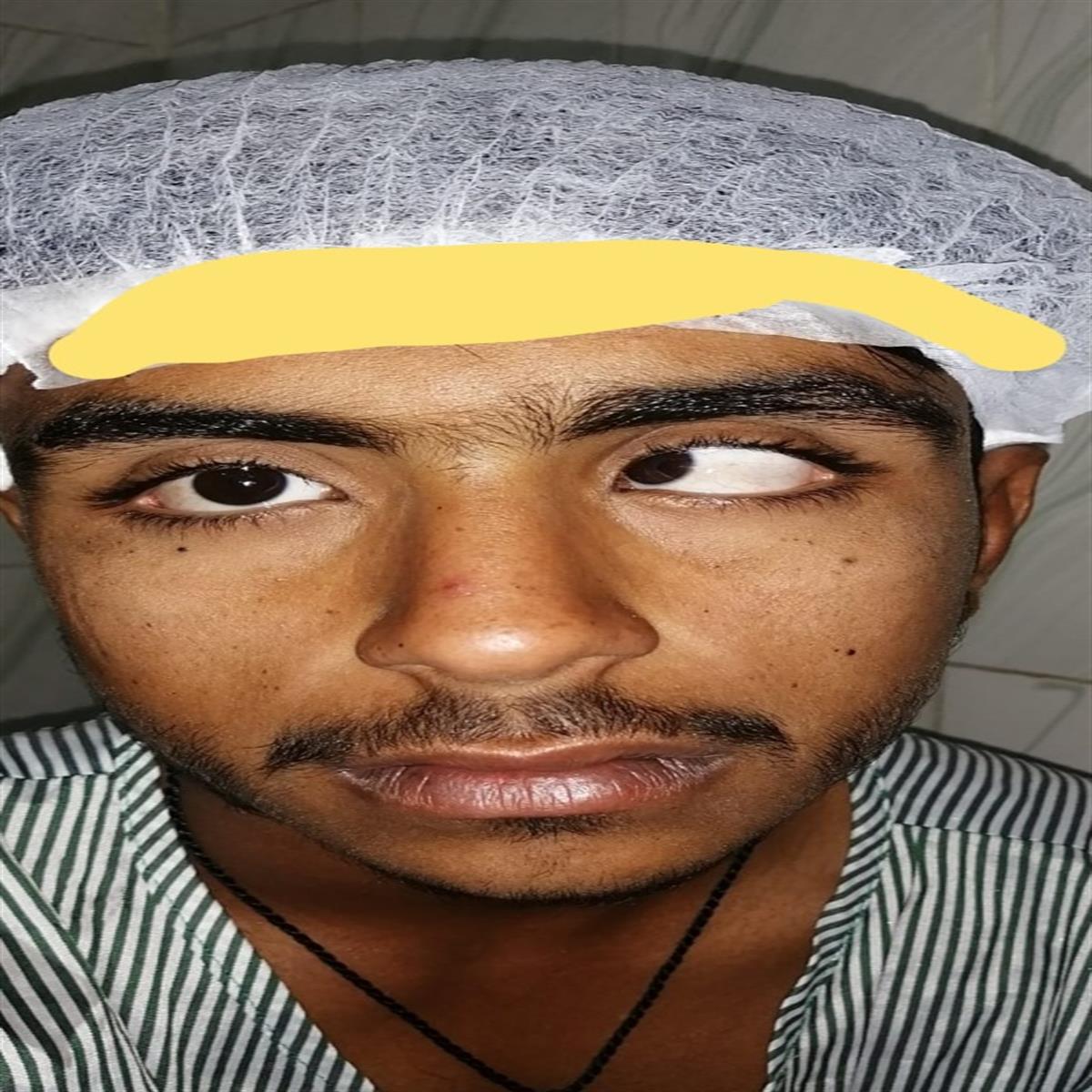 Before
 Pre-operative: Upper eyelid margin obscuring visual axis
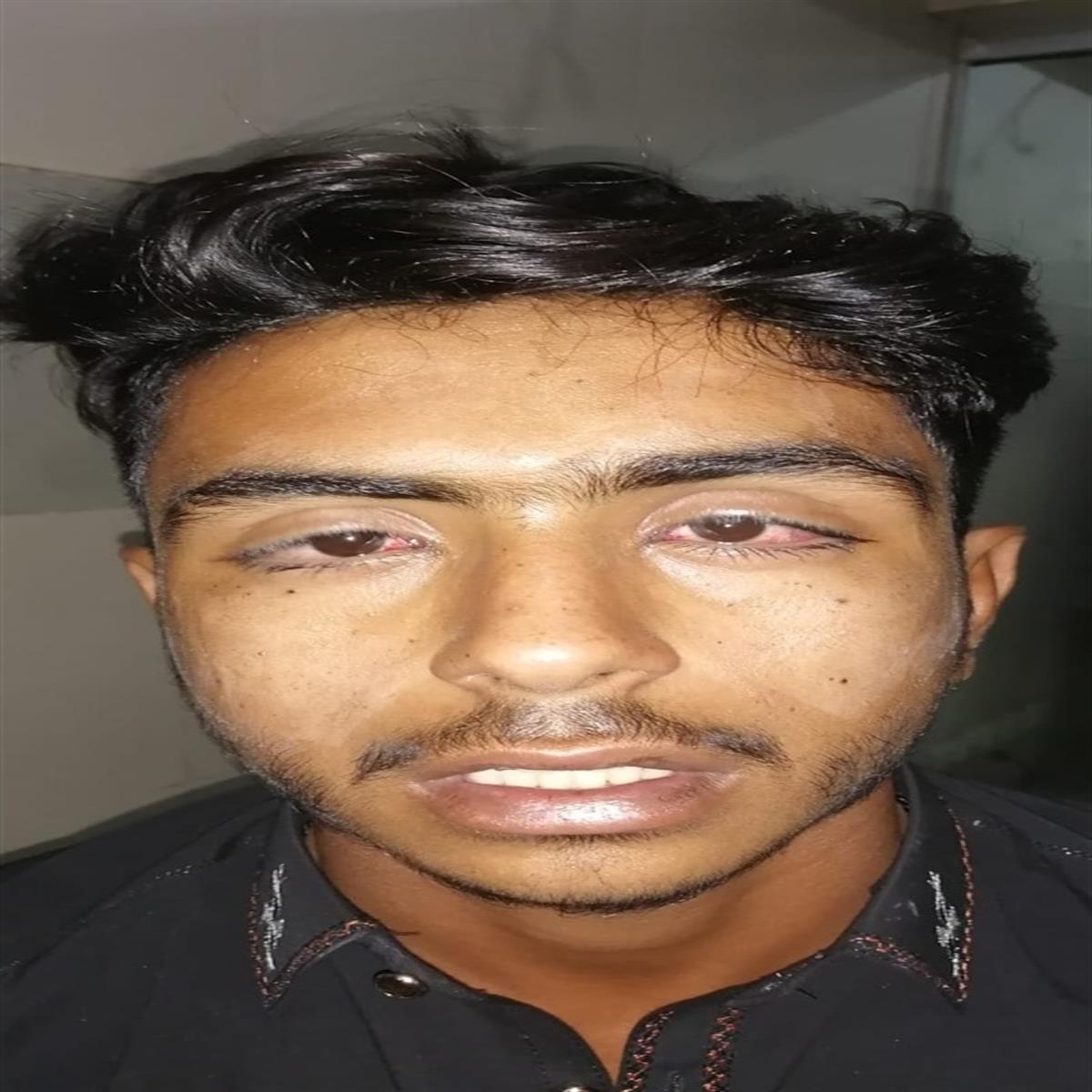 After
After Post-operative: Restored natural eyelid height & symmetry
Patient Experiences
Read feedback from patients who visited Khalid Eye & Medical Care.
"The consultation was very thorough and unhurried. Dr. Kashif explained everything about my eye condition clearly in simple words and answered all my questions patiently."
"We brought our 6-year-old daughter for a squint assessment. Dr. Kashif was very gentle and engaging with her. The clinic environment is peaceful and appointment times are well respected."
"Excellent experience for cataract consultation. Full diagnostic tests were done with modern equipment, and honest advice was given regarding the timing of surgery."
Location
Commercial Area Block C, Opposite Cricket Ground, MCB Bank, Jubilee Town, Lahore
Appointment
Book Your Appointment Now
Call or WhatsApp the clinic directly. Fixed-time appointments mean no long waiting periods.
- State your name, the nature of your complaint, and your preferred time
- The team will confirm your slot and advise on anything to bring
- Arrive with any previous prescriptions, spectacles, or test reports
- Online consultations are available — WhatsApp your reports to begin
Book An Appointment
Monday – Friday: 6:00 PM – 9:00 PM (Evening)
For appointments, please call or send a WhatsApp message before visiting. Call or WhatsApp:
03224021676 | 03254540000
Watch & Learn
Official educational videos from Assoc. Prof. Dr. Kashif Jahangir (@178kashif on YouTube).
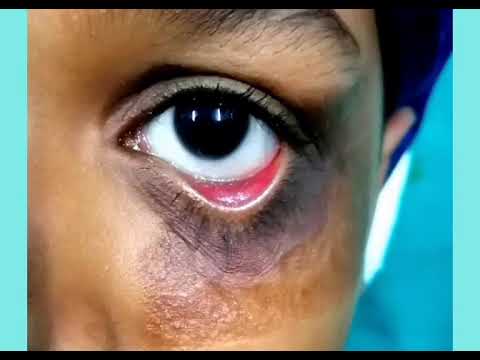
Clinical Examination & Eyelid Assessment
Detailed case evaluation and clinical assessment demonstrated by Assoc. Prof. Dr. Kashif Jahangir.
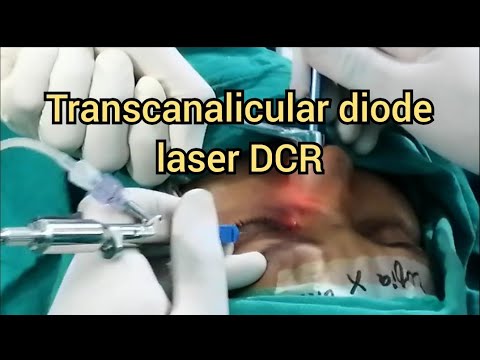
Transcanalicular Diode Laser DCR Surgery
Surgical laser procedure performing lacrimal bypass without facial incisions.
Frequently Asked Questions
Click on any question below to expand the professional ophthalmology answer.